Germany
CDU Election Slack: New Course, Old Problems
By Jakob Mayr
Published September 21, 2026
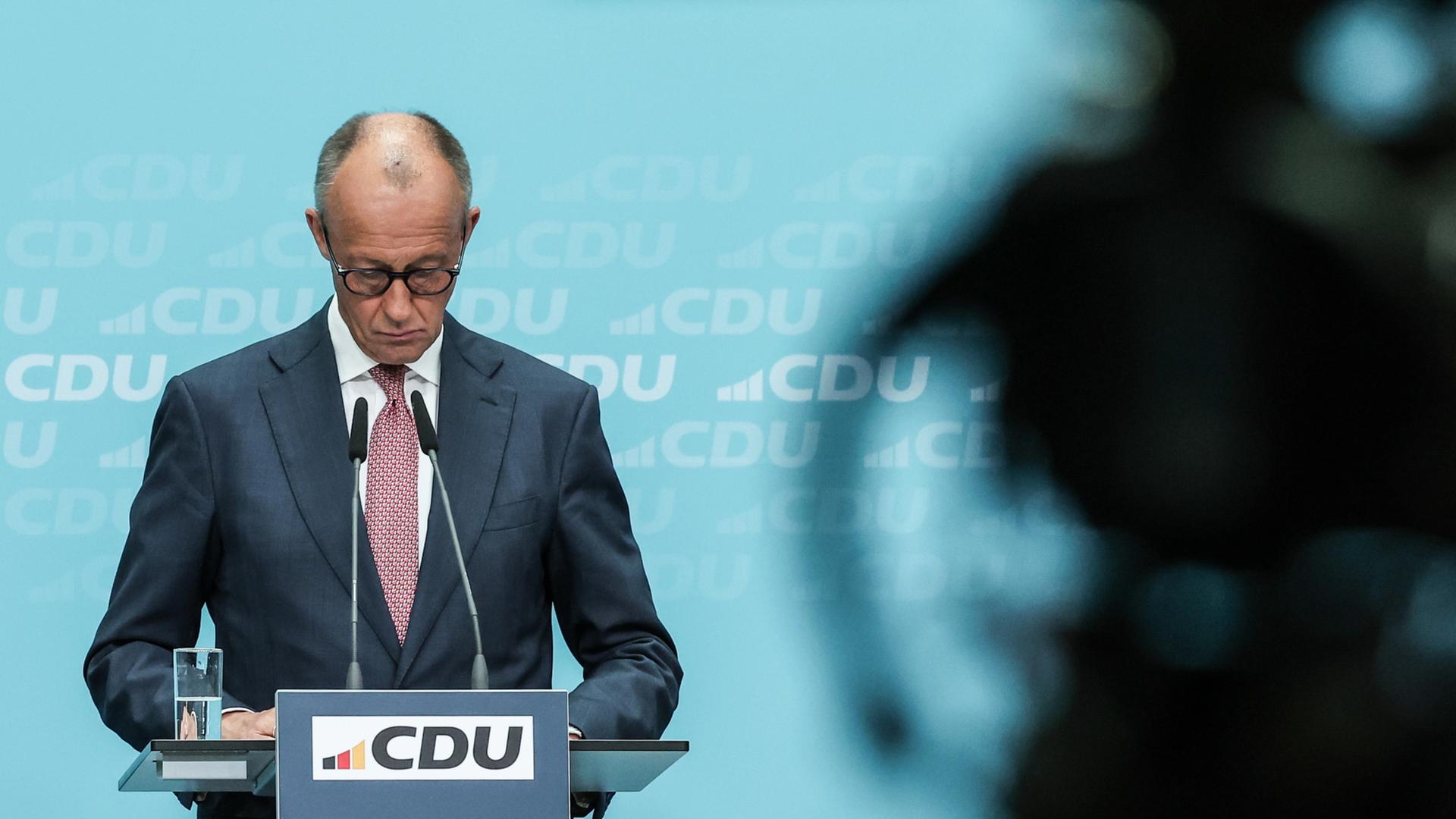
The Federal Chancellor and CDU leader is fighting for his office after the renewed electoral debacle. The SPD is moving away from the reform course. Merz wants to stick to it and hopes for support.
The Federal Chancellor and CDU leader is fighting for his office after the renewed electoral debacle. The SPD is moving away from the reform course. Merz wants to stick to it and hopes for support. By Jakob Mayr The election Sunday could not have been worse for the CDU.
With regard to the result in Mecklenburg-Vorpommern, Federal Chancellor and party leader Friedrich Merz speaks of a "disaster". The CDU fell victim to Manuela Schwesig's bid to catch up with the AfD and for the first time from a state parliament. In Berlin, the CDU became only the second strongest force behind the Left Party. This time, Merz was prepared. At least the shock did not come unexpectedly.
Many in the Union leadership had expected a bad result. And unlike the election in Saxony-Anhalt a good two weeks ago, Merz had this time pre-built: last week, the eight CDU Prime Ministers strengthened his back with a cool solidarity address. On election night, shortly after the polling stations closed, the CDU leader went public to make it clear that he was sticking to the planned reforms - and to his office as Chancellor. A so far unique process that shows how serious the situation is for Merz.
The question is whether the party will still follow him and how much displeasure and concern there is in the CDU/CSU parliamentary group. It will meet on Tuesday afternoon. In order to participate, Merz has cancelled a trip to the UN General Assembly in New York. In terms of content, Merz remains committed to implementing the reforms in pensions, care, health and taxation as planned by the black-red coalition, even after the painful electoral slacks of recent weeks.
The Chancellor and CDU leader has merely announced that he wants to explain the planned changes better and convey them emotionally. Whether this is enough is becoming more and more questionable. Because rejection and uncertainty in the face of the reform plans are considered a major cause of the poor performance of the SPD and CDU in the elections. The coalition partner SPD therefore demands course corrections.
East German CDU Prime Ministers had also questioned the planned abolition of the early deduction-free pension for long-term insured persons. On the other hand, important MEPs in the Union Group expect Merz not to wobble now and to push through the reform package without compromise against resistance. Policy change instead of change of chancellor? The CDU leader apparently wants to deflect anger and excitement about the election results away from himself and into a broader internal debate about the content and structure of the party.
The aim is to preserve the character of the CDU as a people's party, Merz explained after the committee meetings on Monday. In addition, he announced a rethink in the black-red federal government to address the feeling that things were not going well in the country. As an example, Merz cited the coexistence of private and statutory health and long-term care insurance: "If the population sees this as such a massive problem, then we have to change something about it." Merz is likely to run into open doors with the SPD coalition partner. No alternative in sight There has been no personnel debate in the CDU leadership committees, according to Merz.
His quick replacement is unlikely even after the recent defeats. The constitutional hurdles for a change of chancellor or for new elections are high. A promising opposing candidate does not impose itself. Bavaria's Prime Minister and CSU leader Markus Söder enjoys sympathy in the East German CDU and could come to terms with the coalition partner SPD.
However, it is considered difficult by the CDU in the north and west. There, he is resented for the taunts against Armin Laschet, against whom Söder lost the power struggle for the Union Chancellor candidacy in 2021. North Rhine-Westphalia's Prime Minister Hendrik Wüst is considered ambitious, but must pass state elections in April. If the planned black-and-red reform projects fail, however, dissatisfaction could grow at the grassroots level.
Experienced Union MPs speak of a last chance for the Federal Chancellor and CDU chairman. Merz remains a Chancellor on probation.